Commercial Property Is the New Investment Property

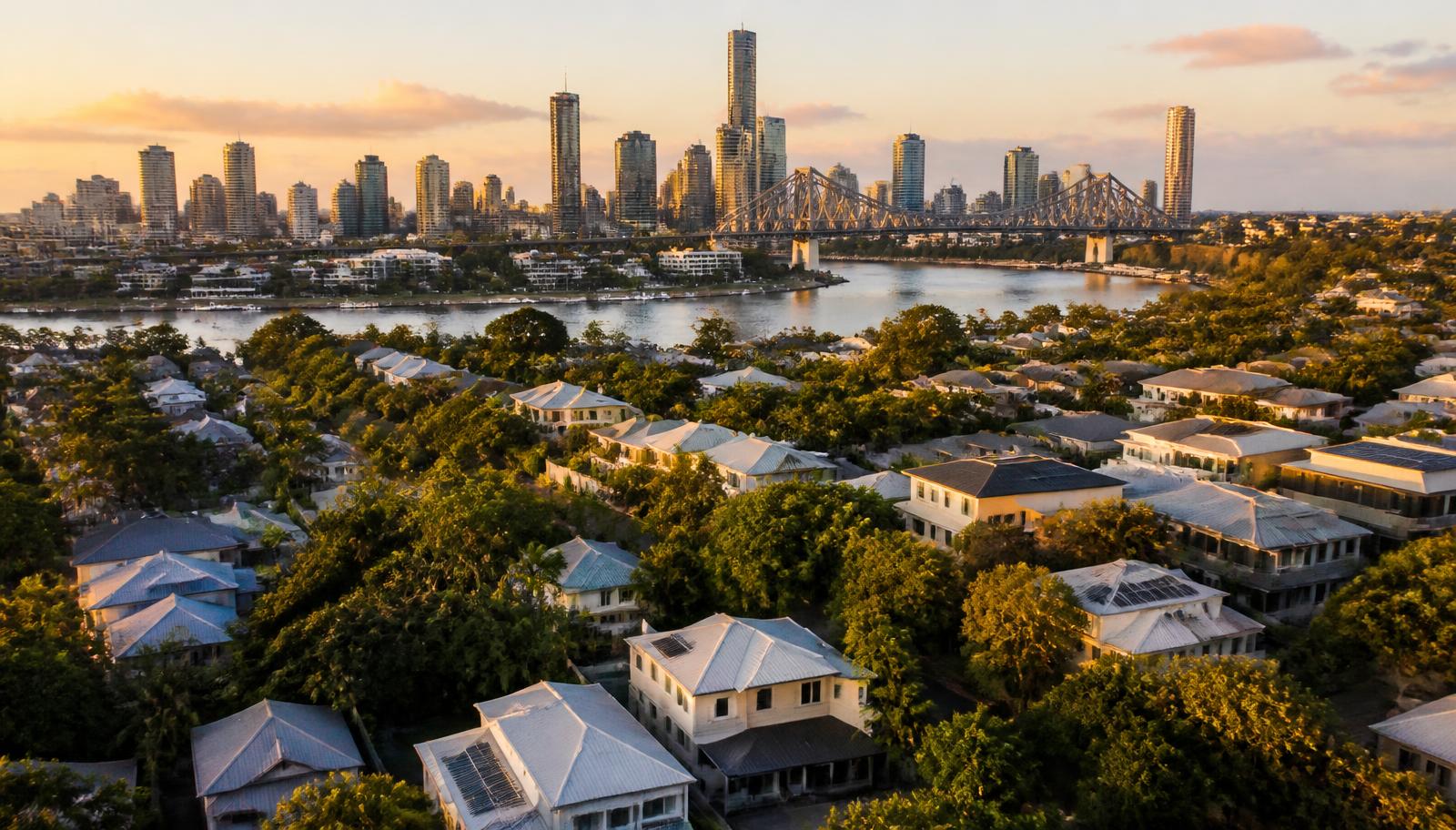
For most Australian investors, investment property has meant one thing: a house or a unit, a tenant, and a long wait for capital growth.
That definition is changing.
More of the private investors we speak with are no longer asking which suburb to buy a second house in. They are asking whether their next acquisition should be commercial.
We think that is the right question.
Why the question has shifted
Residential investment has historically relied on growth to do the heavy lifting. Gross yields in much of Brisbane sit well below the cost of borrowing, so the investor funds the gap each month and waits.
That works while values rise quickly. It works far less well when borrowing costs stay elevated, when holding costs climb and when tenancy rules tighten.
Commercial property starts from a different place. It is bought for its income.
How commercial income is structured
A well leased commercial asset typically offers several things a residential investment rarely does.
- Longer leases, often five to ten years, with options to renew.
- Fixed or CPI linked annual rent reviews written into the lease.
- Tenants who pay most or all of the outgoings, including rates, insurance and maintenance.
- Tenants who fit out and look after the premises because their business depends on it.
The result is income that is more predictable, more contractual and less exposed to the costs that erode residential returns.
Smaller entry points
Commercial property used to be seen as the domain of funds and syndicates. That is no longer true.
Strata offices, small industrial units, medical suites, childcare centres and neighbourhood retail all trade at price points comparable to a prestige Brisbane home. For an investor with equity in their residence, a commercial acquisition is now a realistic next step rather than a distant one.
The risks are different, not absent
Commercial property is not a safer version of residential. It carries its own risks, and they need to be underwritten properly.
- Vacancy periods can be longer, and incentives to secure a new tenant can be significant.
- Value is tied closely to the lease. A short remaining term or a weak tenant changes the price materially.
- Lenders generally require larger deposits and assess the income as well as the borrower.
- Zoning, building condition and the tenant's industry all bear on long term value.
This is where most private buyers get caught. A headline yield tells you very little. The lease, the tenant covenant, the outgoings recovery and the replacement cost tell you almost everything.
Where we are focusing
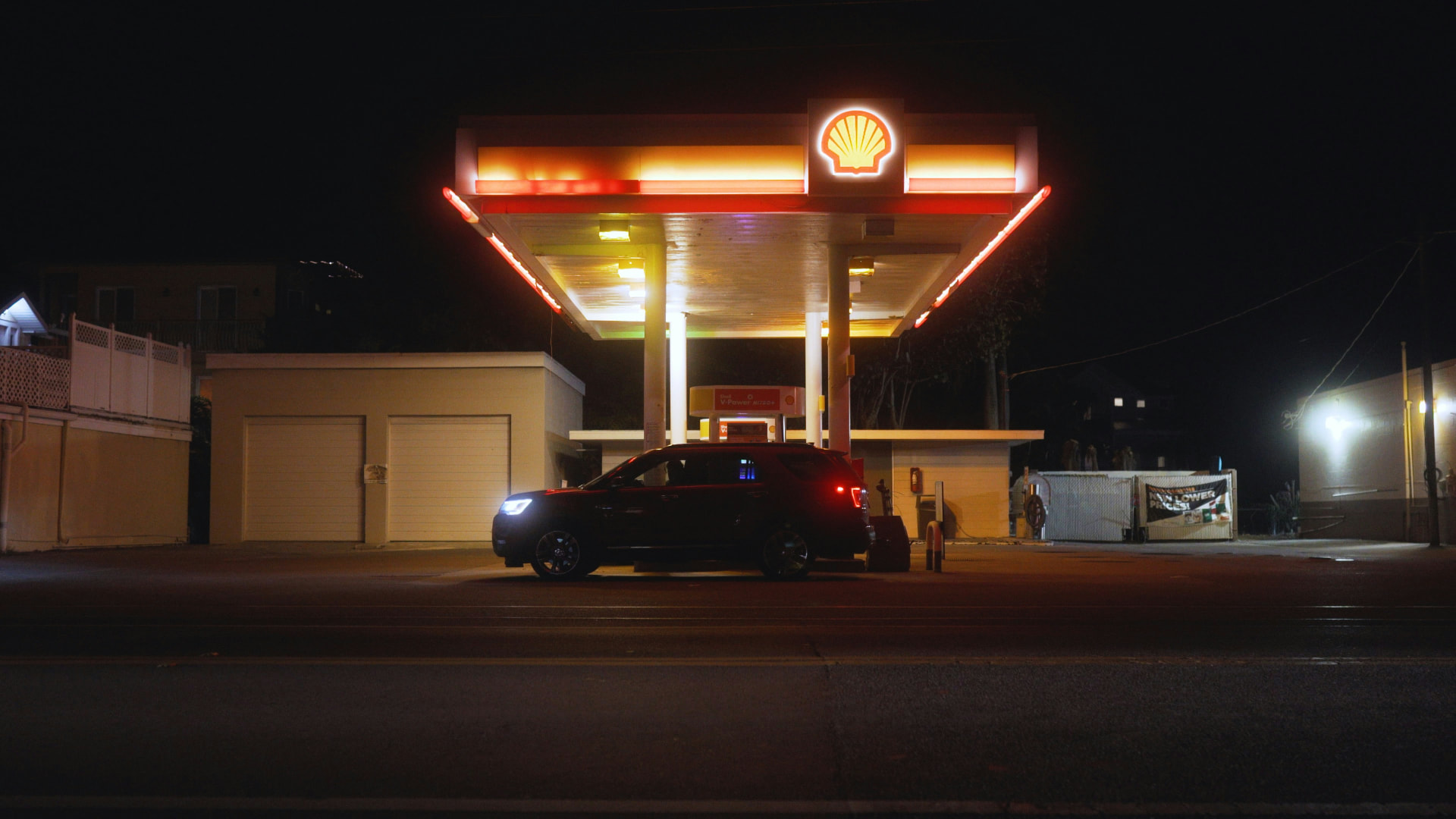
Our attention in South East Queensland sits with assets whose demand is driven by need rather than sentiment: small format industrial and logistics, medical and allied health, childcare, service stations and convenience retail.
These are tenants that serve a growing population and are difficult to relocate. That is what makes the income durable.
Both, not either
We do not believe residential has stopped being a good investment. It gives exposure to population growth and housing shortage.
Commercial gives exposure to income, business demand and the services a growing city needs.
The investors who build the strongest portfolios over the next decade will likely hold both, and they will buy each for the right reason.
At Hastings Beaumont, we act only for the buyer. If commercial property is on your radar for your next acquisition, we will tell you plainly whether a particular asset stands up, what it is really worth and where the risk sits.